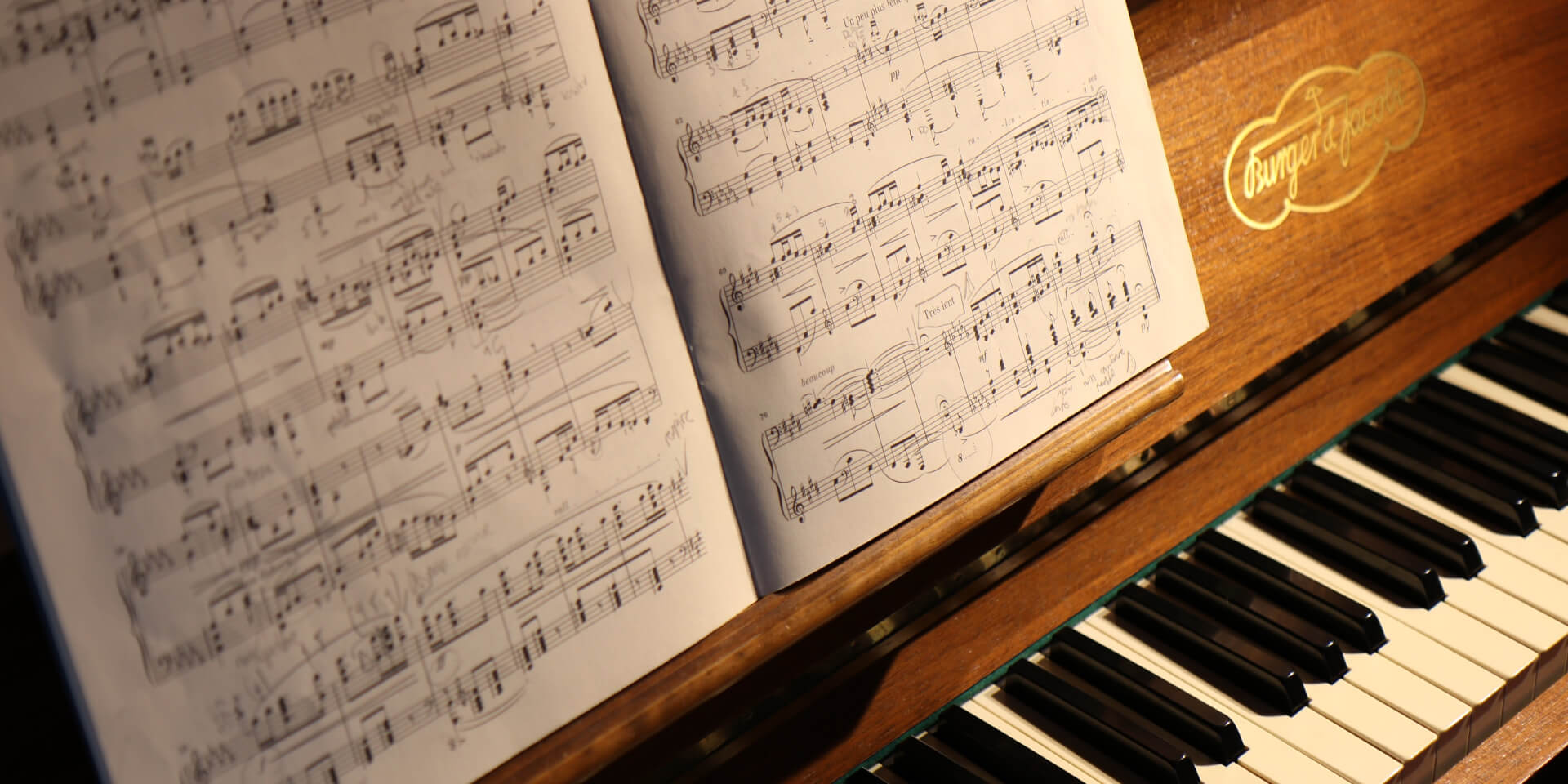
~How to Choose a Piece~
(For Listening or for performing!)
Choosing a piece of music to listen to or to study can feel overwhelming because the classical repertoire is vast. A good way to decide is to think about your purpose, your mood, and the entry point you want to use. Here’s a framework:
🎼 1. Purpose-Based Choice
- Learning/Studying: Pick pieces that match your technical level (e.g., beginner piano → Bach’s Minuet in G, intermediate → Chopin’s Nocturnes).
- Relaxation: Choose lyrical, slower works (Debussy’s Clair de Lune, Barber’s Adagio for Strings).
- Inspiration/Energy: Go for dramatic symphonies or concertos (Beethoven’s Symphony No. 5, Rachmaninoff’s Piano Concerto No. 2).
- Exploration: Select something unfamiliar, like a contemporary composer or a lesser-known instrument.
🎶 2. Mood-Based Choice
- Calm/Reflective: Solo piano or cello suites.
- Joyful: Mozart symphonies, Haydn string quartets.
- Intense/Stormy: Mahler symphonies, Prokofiev concertos.
- Spiritual: Bach’s Mass in B minor, Handel’s Messiah.
🎹 3. Entry Point: Composer vs Performer vs Instrument
- Composer: If you want to understand a creative voice, choose a composer and explore their works.
- Performer: If you’re drawn to interpretation, follow a pianist or conductor (e.g., Yuja Wang, Leonard Bernstein).
- Instrument/Voice: If you love a timbre, choose pieces featuring it (e.g., violin concertos, soprano arias, clarinet quintets).
🌟 4. Practical Tips
- Start with shorter pieces (preludes, nocturnes, art songs) before tackling long symphonies or operas.
- Use curated playlists (gateway works, “best of” collections) to sample broadly.
- Compare different recordings of the same piece to hear how interpretation changes the experience.
- Let your curiosity guide you: if a title or instrument intrigues you, follow that thread.
✨ In short: choose a piece by asking yourself what do I want right now—calm, drama, inspiration, or discovery? Then decide whether to enter through a composer’s voice, a performer’s interpretation, or the sound of a particular instrument.
Musical pieces can be grouped into many types, ranging from large-scale works like symphonies and operas to intimate forms like songs and preludes. Each type reflects a tradition, structure, and purpose within classical music.
🎼 Major Types of Musical Pieces
- Symphony: Large-scale orchestral work, usually in four movements. Example: Beethoven’s Symphony No. 5.
- Concerto: Solo instrument with orchestra, highlighting virtuosity. Example: Mozart’s Piano Concerto No. 21.
- Sonata: Multi-movement work for solo instrument or small ensemble. Example: Beethoven’s Moonlight Sonata.
- Opera: Dramatic stage work combining music, singing, and theater. Example: Puccini’s La Bohème.
- Oratorio: Large-scale vocal work (like opera but without staging). Example: Handel’s Messiah.
- Mass: Sacred choral setting of the Catholic liturgy. Example: Bach’s Mass in B minor.
- Cantata: Vocal work with instrumental accompaniment, often sacred. Example: Bach’s church cantatas.
🎶 Smaller-Scale Forms
- Aria: Solo vocal piece within an opera or oratorio. Example: “Nessun dorma” from Puccini’s Turandot.
- Art Song (Lied): Solo voice with piano, often poetic. Example: Schubert’s Erlkönig.
- Nocturne: Short piano piece evoking night moods. Example: Chopin’s Nocturne in E-flat Major.
- Etude: Technical study piece, often virtuosic. Example: Chopin’s Etudes.
- Prelude: Introductory or standalone short piece. Example: Bach’s Well-Tempered Clavier Preludes.
- Fugue: Contrapuntal piece where a theme is developed across voices. Example: Bach’s Fugue in C minor.
- Impromptu & Scherzo: Impromptu (intimate) is a short piece written to “sound” spontaneous as if the pianist is improvising on the spot. Example: Schubert’s Impromptus but a Scherzo (kinetic) means “joke” or playful trick and in music this sounds wild & dramatic like Chopin’s scherzos.
- Ballade: a large scale deeply emotional narrative work about storytelling
- Dance Forms: Waltz, Mazurka, Polonaise, Gavotte, Minuet — rooted in rhythmic patterns and social dance traditions.
(You will see and hear some of these types of forms in our piano recitals!)
📜 Other Specialized Forms
- Chorale: Hymn-like vocal piece, central to Lutheran tradition.
- Anthem: English choral piece, often sacred.
- Suite: Collection of short pieces, often dances. Example: Handel’s Water Music.
- Rhapsody: Free-form, highly expressive piece. Example: Liszt’s Hungarian Rhapsodies.
✨ In essence, musical pieces range from grand collective works (symphonies, operas, masses) to intimate expressions (songs, nocturnes, preludes). Each type offers a different way to experience music’s architecture and emotion.
As shown above, any instrument can play any of the works; and the piano is merely an “instrument” that can participate in all of the above forms as a soloist or accompaniment.
Next, try listening to this short form instrumental solo featuring the piano. Chopin’s Ballade No. 1 in G Minor Op 23 is not just a piece you play, but a landscape you enter. Demanding both vulnerability & ferocity, it leaves the listener changed. You don’t just play this Ballade, you survive it. Click below to hear what you think: