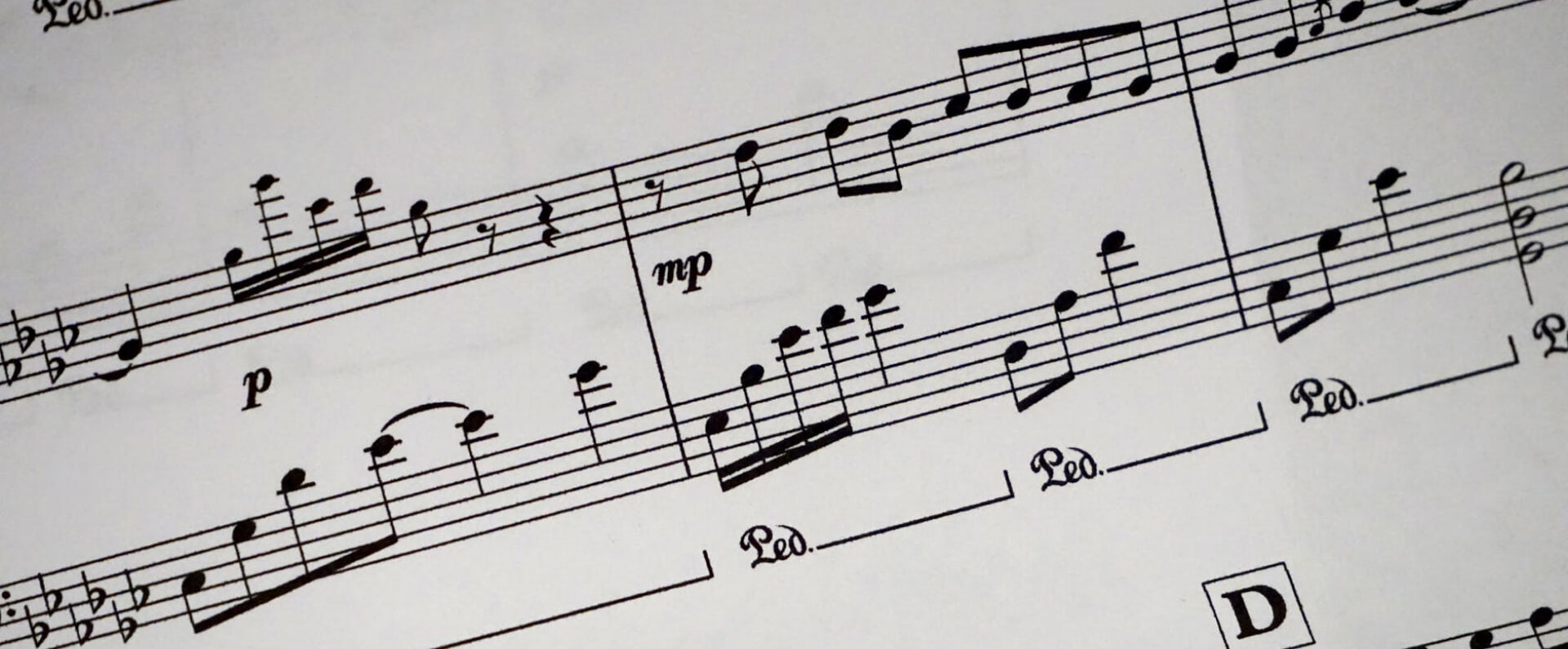
A piano sonata is a multi-movement musical composition written for solo piano, usually structured around contrasting sections and often beginning with a movement in “sonata allegro form.” It’s one of the most important genres in classical music, with masterpieces by Mozart, Beethoven, and Chopin shaping its legacy.
🎹 Core Definition
- A piano sonata is a sonata written specifically for solo piano.
- The word sonata comes from the Italian sonare (“to sound”), originally meaning any instrumental piece, as opposed to a cantata (which was sung).
- By the Classical era (1730–1820), the piano sonata had a clear identity: a structured, multi-movement work for keyboard.
- Any instrument can have written Sonatas (for example, check out Bach’s Violin Sonatas, these are some of my favorites to listen to).
📖 Typical Structure
Most piano sonatas follow a three- or four-movement format:
- First movement – Always in sonata allegro form (exposition, development, recapitulation). Fast and dramatic.
- Second movement – Slower, lyrical, often contemplative.
- Third movement – Dance-like (minuet or scherzo), lively and rhythmic.
- Fourth movement – Energetic finale.**The first movement is always sonata form, the following movements can be theme and variation, Rondo, or minuet & trio
🎼 Historical Evolution
- Baroque era (1600–1750): Keyboard sonatas by Domenico Scarlatti (over 500!) were short, virtuosic, often influenced by Spanish folk music.
- Classical era (1730–1820): Haydn, Mozart, and Beethoven defined the piano sonata’s form. Beethoven’s 32 sonatas (like the Pathétique and Moonlight) are considered the pinnacle.
- Romantic era (1815–1910): Chopin, Liszt, and Brahms expanded the sonata with more expressive, virtuosic writing.
- Modern era: Contemporary composers still write piano sonatas, keeping the tradition alive.
🌟 Why It Matters
- Piano sonatas are cornerstones of piano repertoire, studied by students and performed by professionals worldwide. It is where we are headed in piano lessons, perhaps starting with mini Sonatinas first.
- They showcase both technical skill and emotional depth, making them timeless works of art.
The key to understanding why piano sonatas feel so balanced yet dramatic is in understanding it’s form.
The First Movement:
Sonata-allegro form is a three-part musical structure—exposition, development, and recapitulation—that organizes contrast and resolution in a dramatic arc. This form provides the backbone of many first movements in sonatas, symphonies, and concertos.
🎼 The Three Main Sections
- Exposition
- Introduces the main themes.
- Typically features two contrasting subjects:
- First theme (principal subject) in the home key (tonic).
- Second theme (subordinate subject) in a contrasting key (often dominant or relative major/minor).
- We talk about tonic/dominant in even the earliest piano lessons so the kids know these terms!!
- A transition/bridge connects them, and a closing section may reinforce the new key.
- The entire exposition is usually repeated
- Development
- Thematic material from the exposition is transformed.
- Techniques include modulation, sequencing, inversion, augmentation/diminution, and fragmentation.
- Creates tension and instability by moving through multiple keys.
- Often climactic, leading to a dominant preparation that sets up the return.
- I absolutely love the development of the themes; it’s so gorgeous and the best part to hear how these introductions grow, develop & mature.
- Recapitulation
- Restates the exposition’s themes, but now both appear in the home key.
- Resolves the tonal conflict introduced earlier.
- May include slight variations for interest.
- Often followed by a coda, which extends and reinforces the final resolution
📖 Optional Elements
- Introduction: Slow opening before the exposition, setting mood or anticipation.
- Coda: Concluding section after the recapitulation, emphasizing closure and stability. (We all know my obsessive need for closure! Hence, I love the Coda.)
🎹 Why It Works
- Contrast → Conflict → Resolution: Sonata-allegro form mirrors narrative drama.
- It balances unity (themes return) with variety (development transforms them).
- This structure became the dominant principle of musical form from the Classical period into the 20th century.
I often get the question (especially from teenagers) how am I supposed to practice something so big with all the other things going on in my life? I don’t want to do 8-10 pages!
To practice piano sonatas effectively, we break them into manageable sections, study hands separately, and focus on both technical precision and expressive storytelling. Slow, mindful practice and structural awareness are KEY to mastering these multi-movement works.
Once they realize, “Oh, I’ve already learned this theme before, it’s just in a different key” or “This sounds the same, so I’ve already learned this part” now they’re mastering huge works in a 3rd of the time. I never have a student sit down and play from top to bottom, it’s always reviewing the easiest approach to learning different sections and then where those sections return again and again. If there is a difficult section (like the development) then just practice those few measures for that week. In the end, they’ll have learned an entire sonata in sections which also helps with memorization.
Click below to hear ALL of Beethoven’s piano sonatas. It’s a lot, so skip thru the ones you aren’t interested in and see if you can find some gems that you like. Or use the 9 hours as background music!